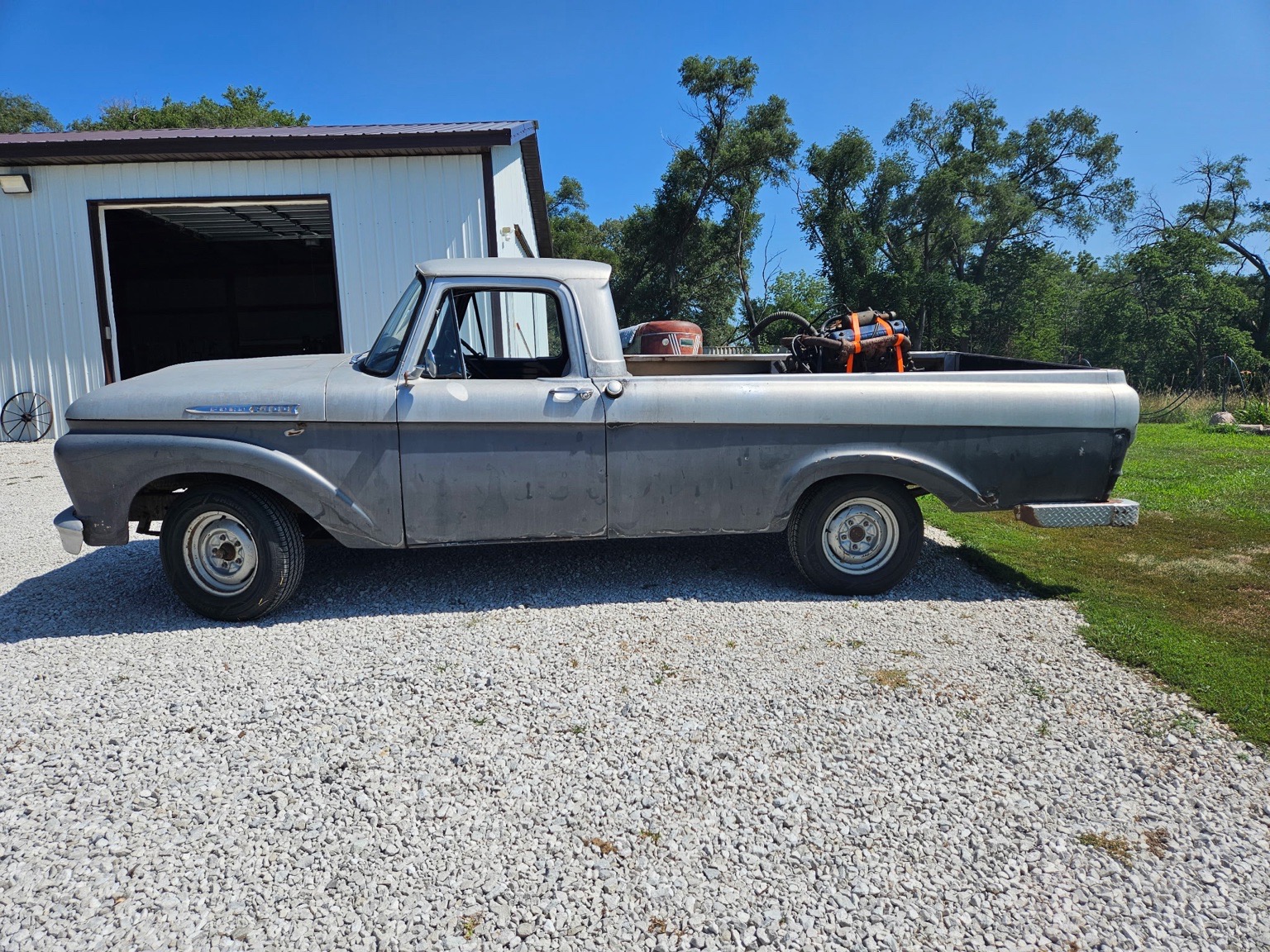
Catch this: My mom called me over the weekend, as she knows I have plenty of experience working on projects (even if not finishing them). She picked up a 1962 Ford F-100 Unibody pickup a couple of weeks ago from Nebraska. She lives in Iowa, not far from the Missouri River separating the two Mid-Western states but far enough and high enough up a hill to avoid the occasional tornados and valley flooding.
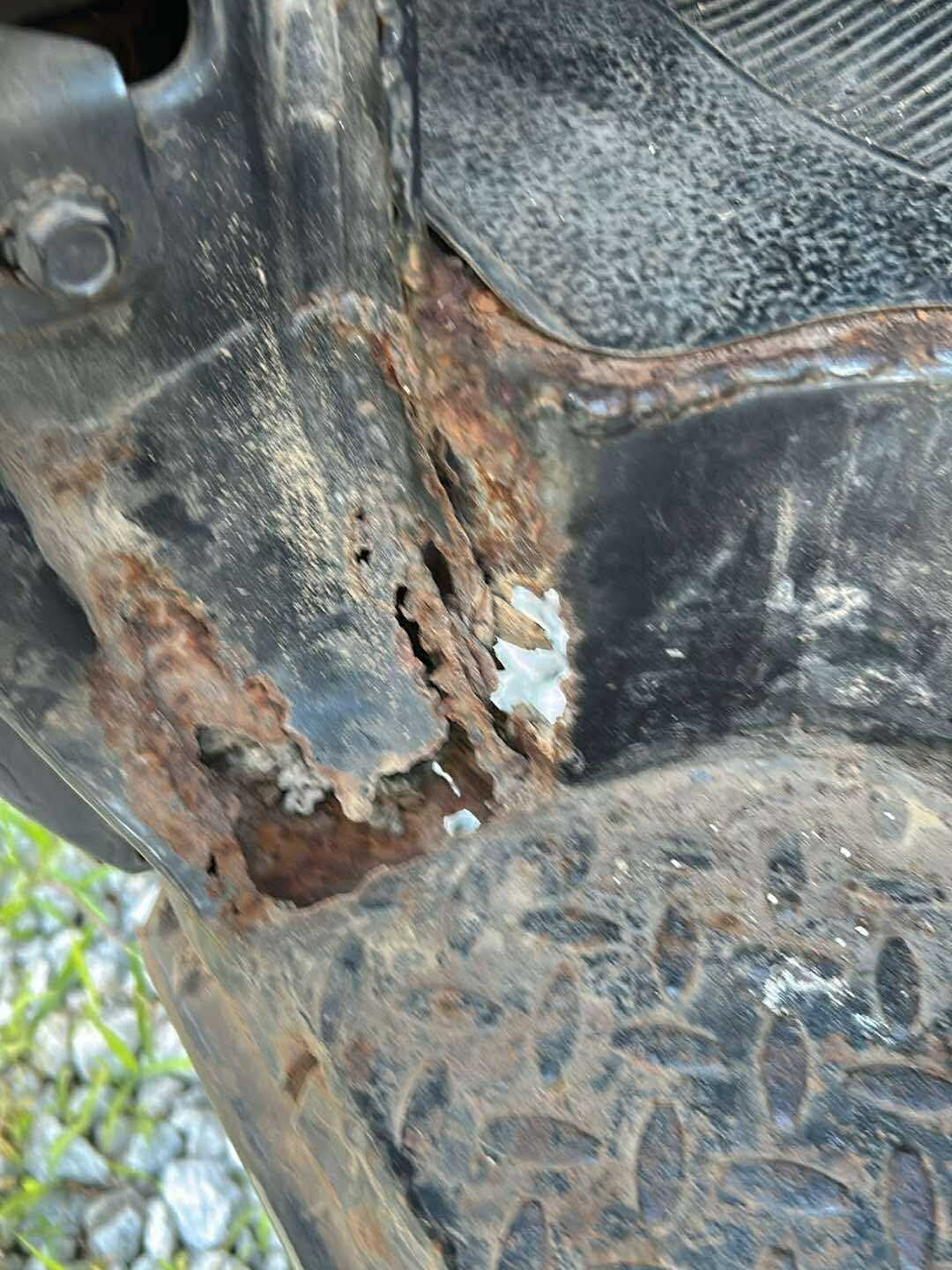
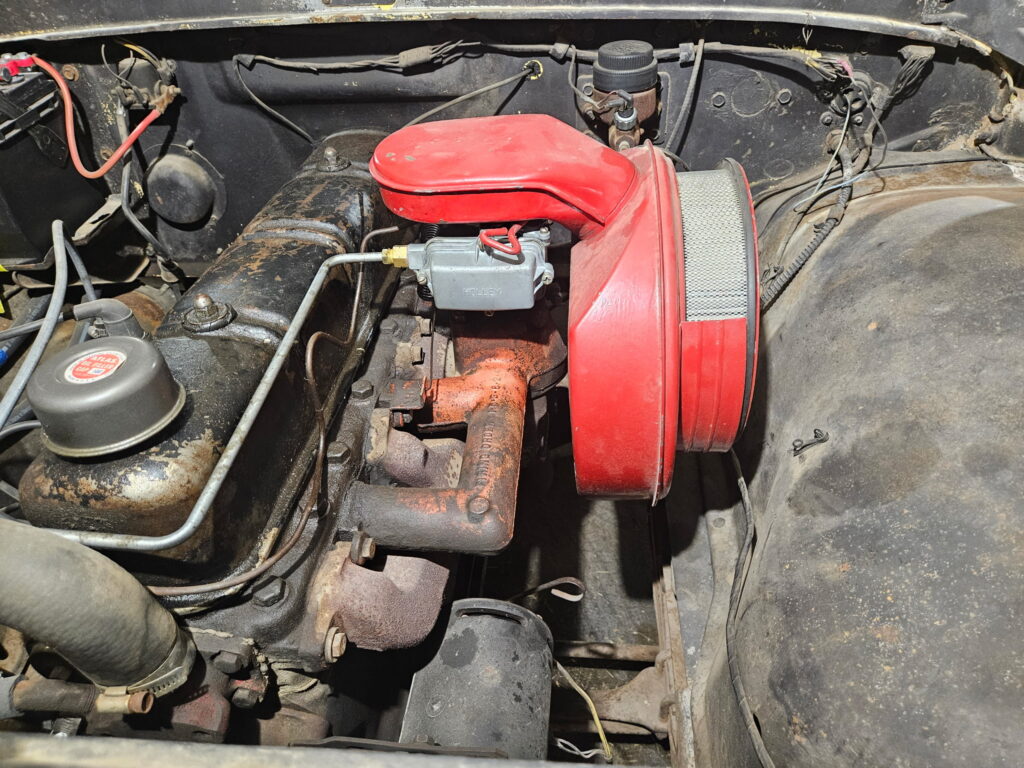
So, she picked it up for a little under the $6,500 asking price. It’s got an inline-6 and 4-speed manual transmission that the factory installed. There is rust in some cabin corners and through parts of the floor. The grays try to cover it up, but the body worker who gave this ol’ thing a shot was no maestro.
When she called me with a couple of questions, she wondered about steps and the thought process she should apply for her goals on this truck. It’ll be a part-time project that she wants to have ready to fully paint and reassemble in four or five years. That depends on a timeline of grandkids going to college or not. She asked about window sealing and weatherstripping. The fuzz strips that keep debris from falling inside the door past the window are absent and ditto for the sealing around the doors. It rattles like a tin can.
She has parts marked out in the LMC catalog but was specifically wondering if the weatherstripping should be replaced now or when she paints it.
I proposed there were three avenues present here:
One, do nothing now and deal with it all at once later; two, buy a cheap, minimal set or piecemeal the few necessary bits right now and install that to get some weather sealing; three, buy the full, good set now and possibly need to replace a lot of it when all the bodywork and color are finished. And you know that really depends on storage and all that jazz.
So, we’re at a turning point: let it continue on as is, perform some long-term maintenance, or go full into restoration?
Feel free to substitute your own car in the thought exercise.
Avenue one, the do-nothing approach, doesn’t work for my mother… makes me wonder where I got it from. Anyway, the floor and door rust is serious enough to be concerning and keeping the weather and water out can only help slow the oxide monster’s pace. This might be a good choice for those who are good at bodywork and don’t want to spend money twice. There might be a few more folks that would appreciate this approach, but it isn’t the smart one here. Rust repair never gets cheaper by waiting or adding more water.
Avenue two — the buy cheap kit or as little as needed — call it the maintenance avenue here. This is rather appealing since there is a price gap between four fuzz strips and two door seals on the cheap end compared with a whole truck kit made from the good stuff. The price gap can grow significantly if we start talking about more than weatherstripping. This will help keep the weather out and costs down. If only one door seal needed replacement, then only one gets replaced. This path is a compromise by nature, and lord knows there are plenty of car folks that don’t want to compromise.
Avenue three is buying the best, most complete kit she can find. She’s potentially doubling down on the cost. It is also taking care of the whole shebang regardless of whether she’ll get around to the full-on rust-replacement restoration. We’re talking the full weatherstripping kit made of quality materials — the top-end option available. The potential doubling of the cost (or more, thanks inflation!) comes from replacing the entire kit if it degrades before the restoration is finished.
So, she’s going with the cheaper piecemeal route to keep the truck sealed while she tootles around in it. Rockauto.com has the pair from Precision for about $47. LMC’s full kit is nearer $106.
In this particular weekend consideration, there isn’t a major price chasm between doing the minimum and weatherstrip-maxxing. The stakes are relatively low. We’re not talking thousands here, and $59 difference between the two options isn’t going to impact whether the lights stay on at home. Still, using a three-avenue paradigm for the choose-your-own adventure that is owing and keeping an old car.
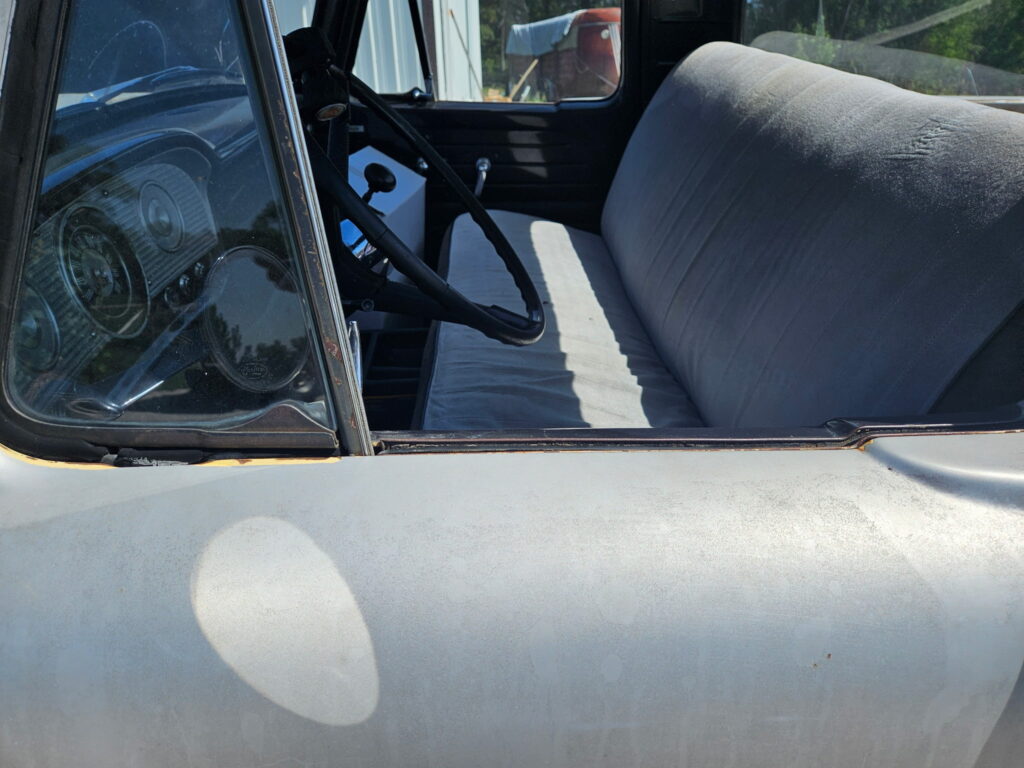
As to the color, the F-100 is two-tone matte gray now but was originally Goldenrod Yellow, as seen throughout under chipped and flaking pieces. If you’re unfamiliar with that particular shade of sunshine, it would not be out of place in a lineup of ‘57 sedans next to ones in aquamarine or pink. We’ll see what color she eventually picks, but my suspicion is that it’ll be bright and shiny.

Leave a Reply