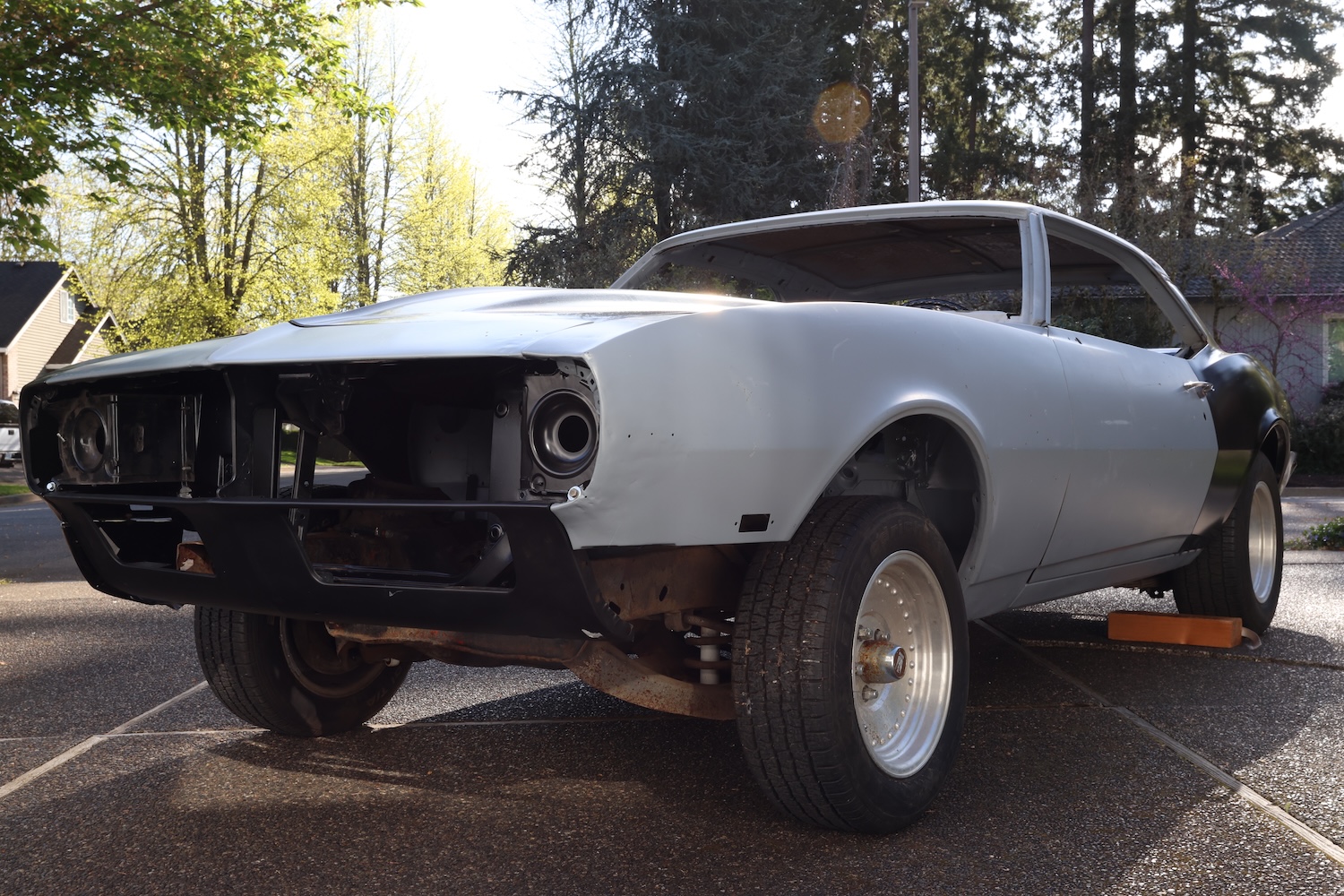
There it is… the car of your dreams for sale with one major caveat: Some assembly is required. But you can almost see the finished project in your head, and what’s a few hours of DIY effort between you and that glory? Let’s do this!
Look, I get it. I’ve built a bunch of project cars over the years, and most of them started out as rough garbage and a vision that nobody else around me could easily see. The main thing I’ve learned over a handful of builds is this: Anything is possible if you’re confident (or dumb) enough to try. The variable is this: How much trouble are you willing to endure to make those dreams into reality? A lot of that depends on you… but a lot depends on the car you choose, too. Where you start has a huge bearing on how hard it will be for your vision to materialize, including everything from time spent to the money and skill development required.
So with that in mind, I’ve put together five tips to help get a buyer as close to their vision as possible, while leaving all that DIY room in place. Yeah, it’s usually cheaper to buy a car already done. But where’s the fun in that?
Here are five tips to set you on a path for success with your next project car.
1. DREAMS VERSUS REALITY
The sparkly finished product that you can see in your head isn’t as close as it appears. Those people around you who can’t see the vision? They’re right. At least mostly. This is a hard one to learn, but it’s important: The first step in your project car hunt isn’t the car. It’s you.
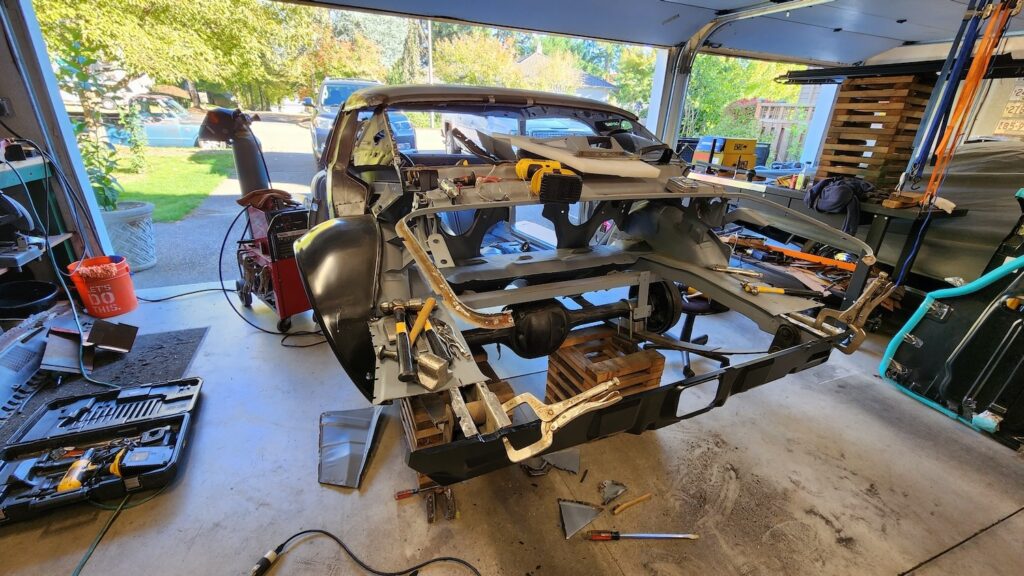
Before you even reach out to talk with a seller about that rusty jewel, you’ve got to take a few things into consideration. First, what kind of time do you have? What kind of budget are you working with? How much space do you have to blow your car apart? How many tools do you have and how many will you need to buy? What restoration or modification-related tasks do you already know how to do and what are you willing to learn?
Some of this stuff can be flexible… if you have a budget and space, tools are an easy problem to solve. But if you don’t have time, all of this is moot. Space is the other biggie, especially if you live in a place with real weather. Nobody wants to work in the rain or the snow, and project cars are complex enough without having to think of keeping water and leaves out of the interior or the engine. If you’re light on garage space, your project can’t get too deep… think of it in terms of day-long tasks on a car that you can close up once it gets dark.
Get a clear, unbiased look at where you really stand with all of those factors, and then match the car to the situation. The ideal outcome is to find a car that will stretch your skills without breaking your will. The point is success, not pain.
No garage? Pay a little more for something that only needs minor mechanical work. No budget? Don’t chase A-list cars and you’ll save some major money and get 80% of the same experience. Want to learn how to weld? Don’t fear a little rust. No time? Buy something already done. Being realistic will result in better outcomes, so start there.
Remember, this is an addiction, so don’t assume this project car will be your only shot at the glory.
2. BUY THE MOST COMPLETE CAR YOU CAN AFFORD
Notice I didn’t say nicest.
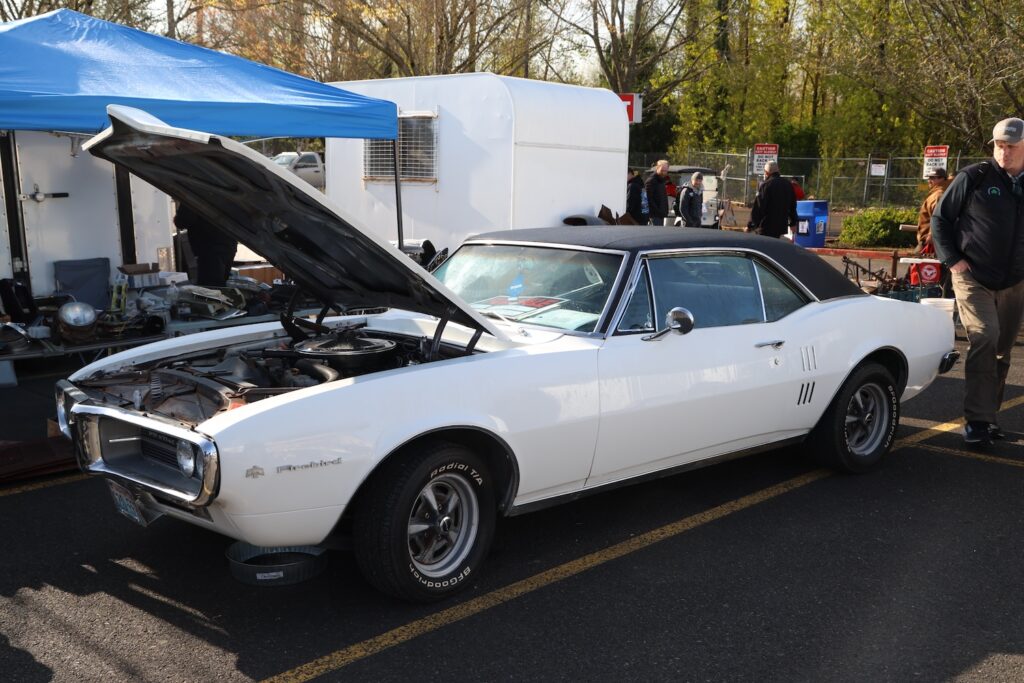
Two scenarios: One car has been torn apart and is mostly all there, and some sheet metal repair has already been done, which is a bonus. Another similar car is still intact, all there, and needs similar rust repairs. Everything else being equal, which is the better buy? It may seem strange, but the second car usually is, because chasing parts can and will nickel and dime you to death and take up a bunch of your time. Some parts can be impossible to find, or super expensive when you do find them. The complete car solves that problem, but you have to look closely at every situation. It’s a balance between the type of work you want to do and the benefits of what you don’t have to do. There’s no hard and fast rule that will apply each time, but the “better” car isn’t always what you might assume it is.
Here’s the deal: you’re going to tear your car apart either way, so paying more for a slightly cleaner example isn’t the same benefit for a project car as it is for a driver. You’ll often hear classic car experts telling you to buy the best you can… or that you pay once and cry once. But when it comes to projects, that math doesn’t always translate because a lot of the benefit you’re paying for in a “better” car will be removed and redone as part of the process. Look for completeness over condition — but be reasonable when it comes to your abilities.
There’s one place where completeness isn’t a bonus, and that’s when you start to look at the parts that you don’t intend on keeping. If you’re going to engine swap your car, why buy something that has a running engine? Maybe you can sell the drivetrain, but that will probably just offset the extra money you spent buying what you thought was the “better” car and waste your time. Now you have to pull that engine, make the mess, prep it for sale and sell it. Save the money, save the time, save the headache. Pay less for something that doesn’t run.
3. DON’T RUSH IN
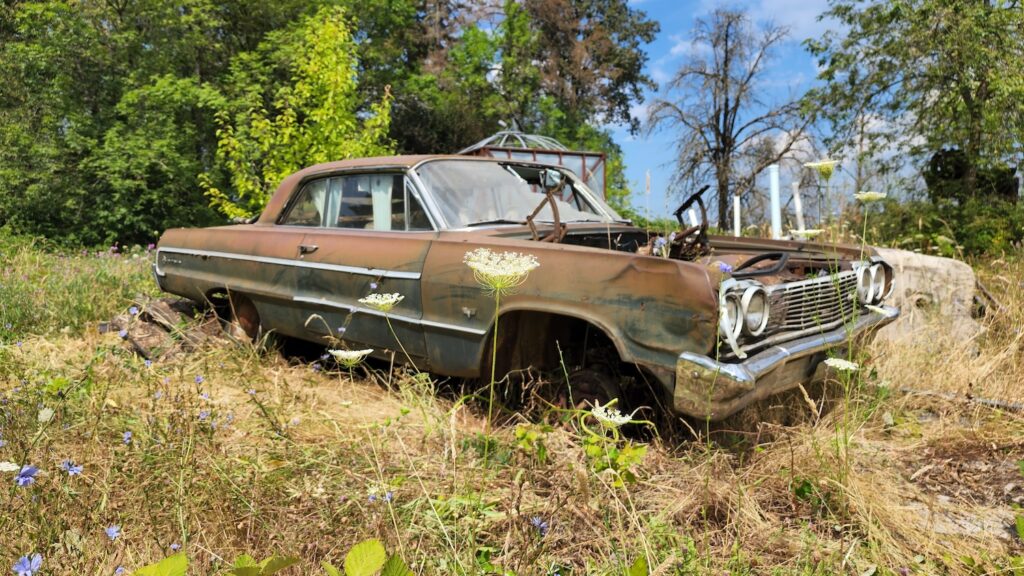
GM made over a million 1965 Chevrolet Impalas. There’s no reason to buy the first one that crosses your path… unless the price is really right. Even then, you might regret it when you’re replacing an entire floor pan due to rust or repairing disco-era accident damage you didn’t see at first.
The numbers are in your favor for any project car, at least generally. There are always more fish in the sea than you think there are, so taking a step back and letting reason get ahead of heart will make you a happier project car builder in the long run. In short, wait for the right car, regardless of what car you want, and you’ll (eventually) be happy that you did.
Your project is going to take some time to complete… maybe months, maybe years. Getting the right car to start with will shave down that timeframe in some significant ways, so while it’s really easy to let your excitement for the process land you the first car you see, it’s usually not the best course of action in the long run.
Look at a bunch of cars. Learn to size them up for their true benefits and detriments. Focus on the model you’re hunting and this will inevitably turn you into an expert in those cars just by association. You’ll learn the trouble spots, the missing pieces and the general accessibility of the model by getting hands-on with a handful of them. Then you can apply what you’ve learned in getting a good example that you find versus the first example that you find.
4. TRAVEL
Different cars have lived different lives, and you can use that to your benefit by sizing up the map.
Here’s what I mean: I live in Oregon’s Willamette Valley, where it rains a lot. We don’t salt the roads here in the winter because it doesn’t snow much, so stuff doesn’t really deteriorate too badly. But up the way in Washington state’s Tri-Cities, it’s a dry desert-like environment where stuff rusts even less. So when I was looking for a 1967–72 Chevrolet truck a few years back, I drove up there and found one that was way better than the stuff I’d been looking at here in town. The better starting point saved me a bunch of time in rust repair, and I actually ended up spending less on the truck than I would have if I’d bought one locally. Even factoring in the four-hour drive with a car trailer, I still came out way ahead by looking outside the immediate area.
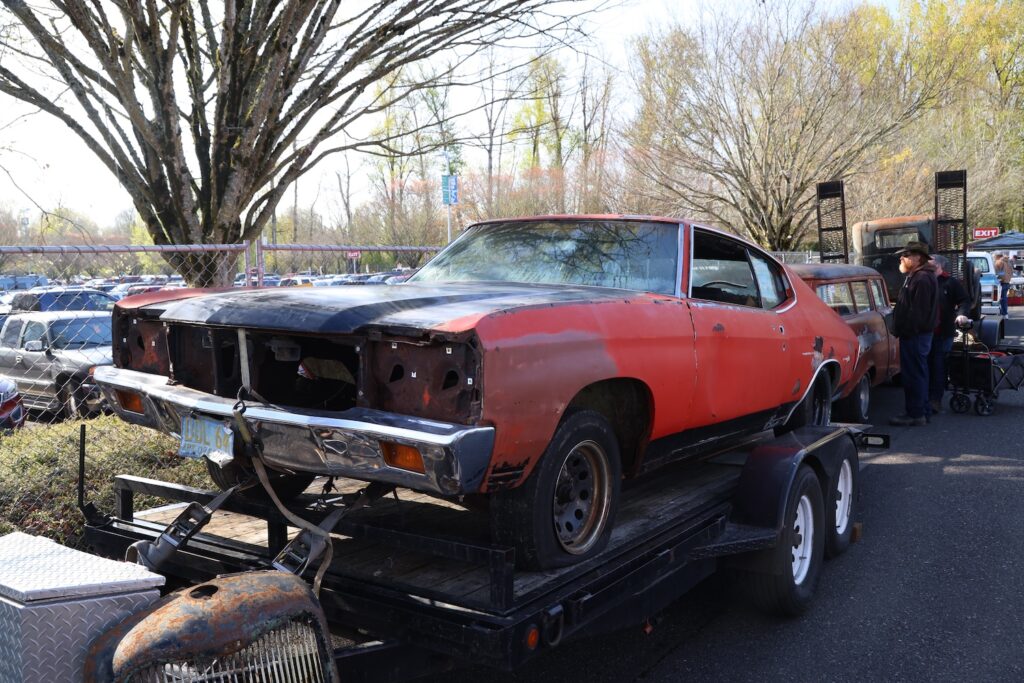
This is a case of picking your issues, though: wet places mean rust. Desert places mean dry seals and dead, sun-baked interiors. But see point #2 above… your “better” example is likely the less rusty example with the dead interior… because you’re going to replace all the seat covers and foam anyway. So, look at the map and expand out your search area to see what’s available, and don’t be afraid to take a long drive for what might be the right car. It can really pay off.
5. BE READY TO DEAL
Eventually you’ll find the right car, or one that’s right enough. When that happens, don’t wait on it.
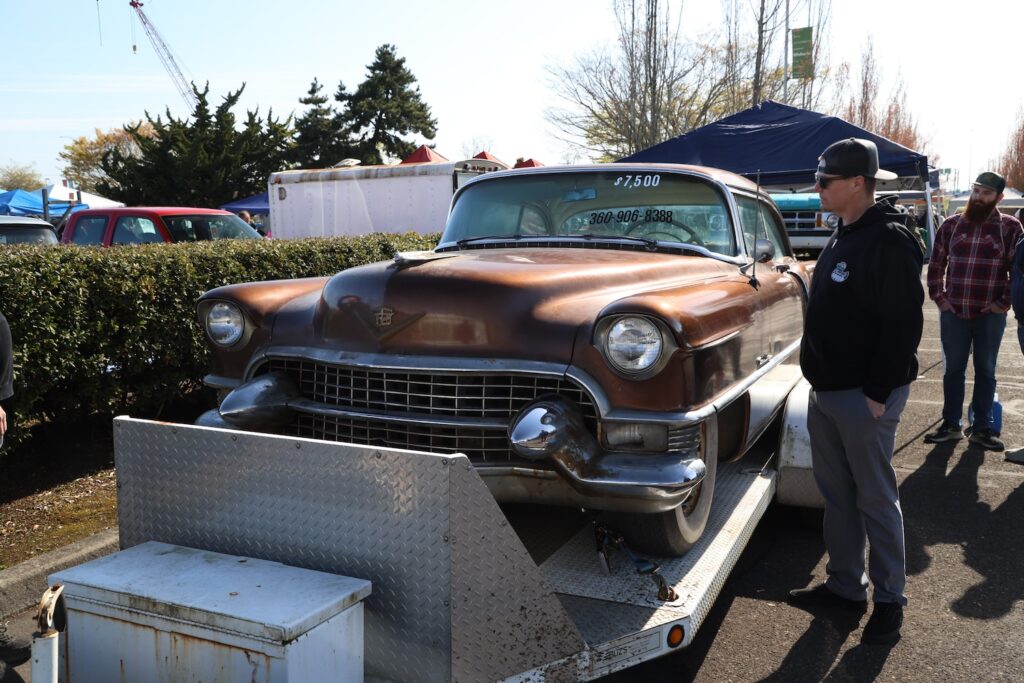
I’ve lost out on a number of good deals because I wasn’t ready to move when the move needed to happen. You don’t want to rush the process, no, but when you’ll know when you’ve found a good car, and that’s when you need to be decisive and ready to deal.
This is how I bought a ’68 Camaro with a brand-new floor pan, a good title and all of its sheet metal and interior for $2,800. I was the first in line and first with cash.
Get clearance from your significant other first, before you get to wherever the car is stored. Have cash ready to go so you don’t need to find a bank nearby or can deal on a Sunday. Have a trailer at the ready so that you can call it into action if you need it. Have a plan for where you’re going to put the car once you haul it out of the garage or barn where it’s stored. In short, have your logistics sorted first so you can pull the trigger as soon as you find what you’re looking for.
Assume someone’s right behind you in line, because it’s likely that someone is. You don’t want to be lamenting some missed connection while repairing a bunch of issues on a lesser, not ideal example that the first car didn’t need.
From there, it’s time to enjoy the process, to learn new skills, and to make that project in your head into a reality that nobody can deny.

Leave a Reply