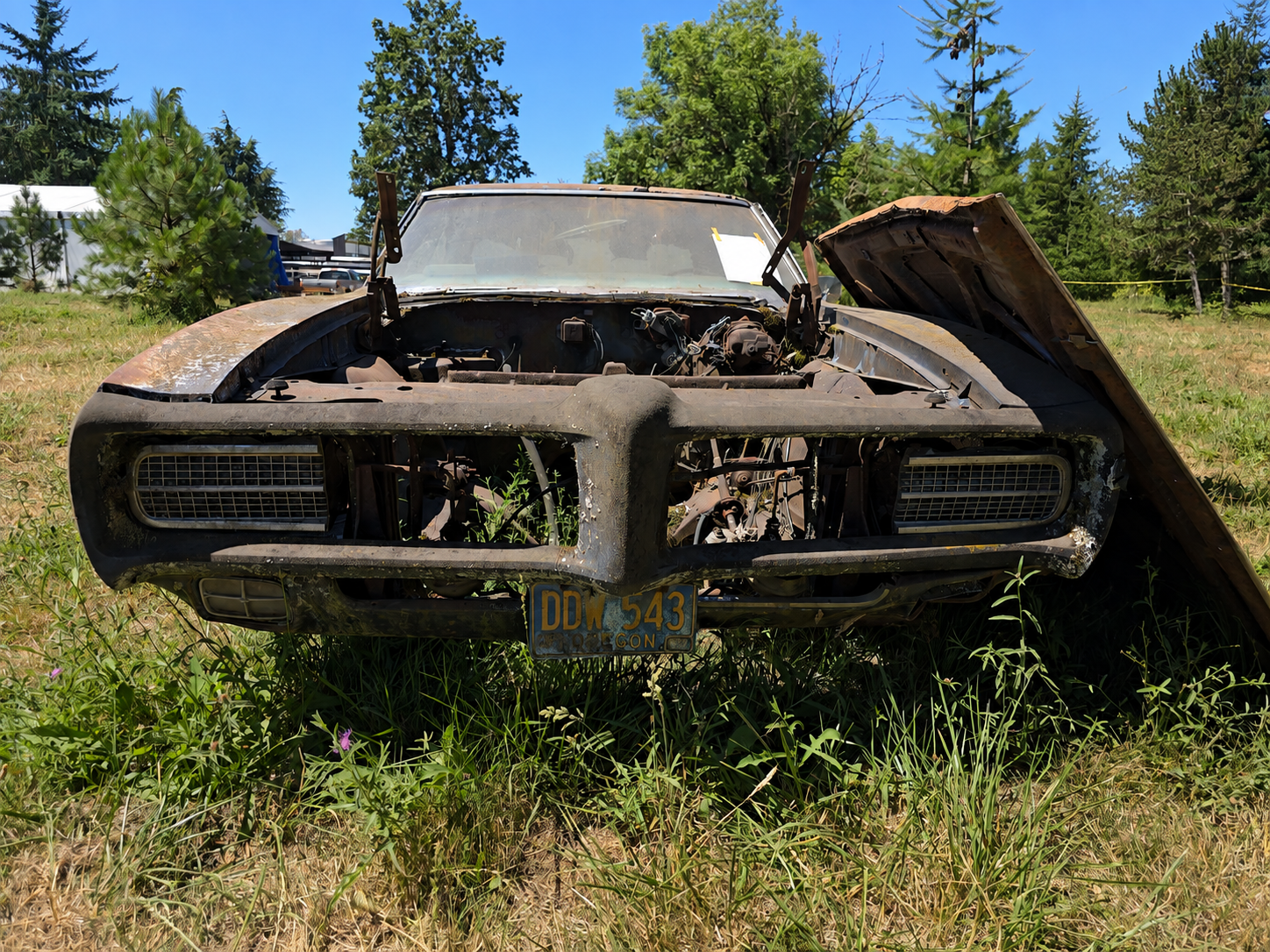
Has a project car gotten the better of you? Getting in too deep is a common problem, but don’t feel bad about it: Ultimately, some dreams just aren’t meant to come true. But selling a stalled project car isn’t like selling some other, complete classic car. There’s a lot to consider here. When it’s time to sell something that isn’t complete, were does one even start?
I’ve got five tips that can help.
It boils down to this: How you go about presenting your (or a family member’s) project can really make a difference in finding the right buyer and a price that will help you feel good about the decision to move on. But that presentation can be a puzzle that can either make or break the experience, so that presentation is where you need to focus.
Here’s how to sell a project car.
1. REFLECTION
Different cars in different conditions require different strategies, so the first thing to do is to take a long look at what’s in front of you and be honest about what work has really been done and what work is really left to do. You’ve got to size up your project so you can set your expectations.
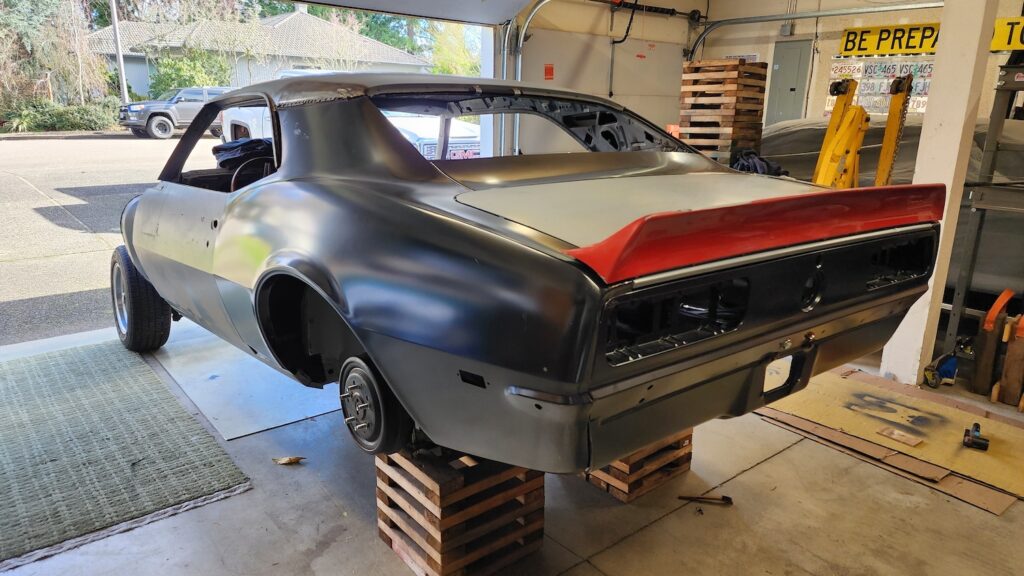
What is this car? Is it rare? Something to remember here: Rare does not always mean desirable. The only brown-on-brown 1938 Chevrolet business coupe may be a lot scarcer than a 1971 Hemi Cuda, but nobody cares. Keep that in mind.
Are all the parts there? Are they all usable? Deduct money from your expectations if the answer is no. How is the chrome and trim? Is it show-car usable or does it need replating? How about that interior? Will it clean up with a little work? Is there any rust that needs to be addressed?
What work has been done already, and how was it done? Were any corners cut?
You must find a way to view your project as an outsider, which will help you be realistic about listing it and pricing it. Bring in a friend if you need to… preferably someone who understands the nature of classic cars and restoration projects and isn’t afraid to give honest advice. Have them size it all up, ask the hard questions and give their unfiltered view. Getting real right out of the gate will help this process move quickly.
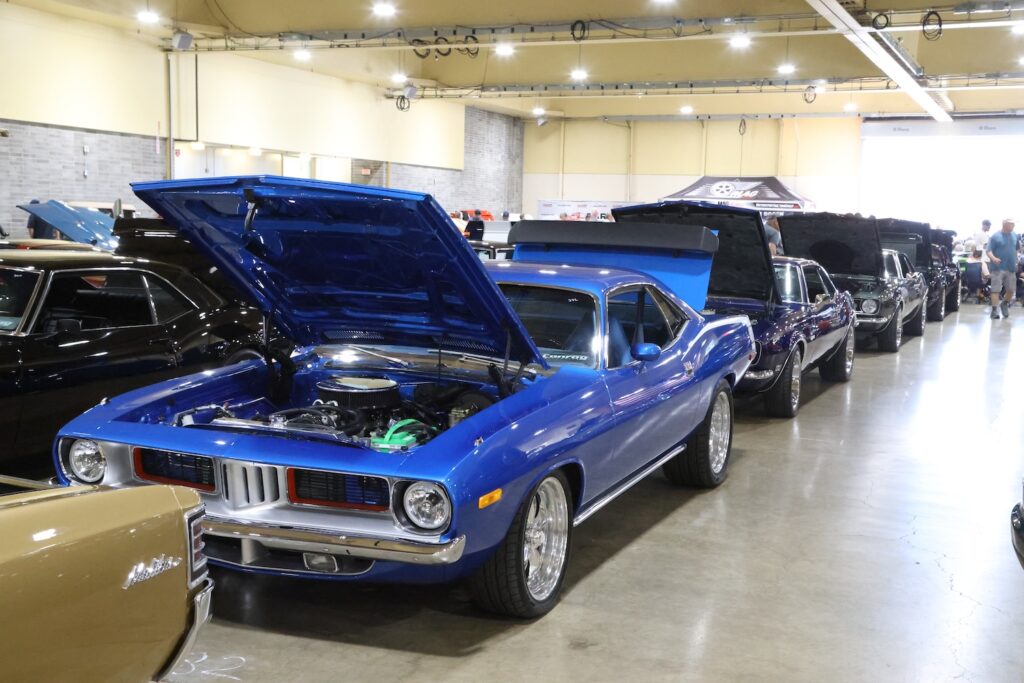
As for pricing, factor in just how desirable the car is in the marketplace along with the reality of its current condition. Start by using current values of complete cars that have sold at public auction events. These are only guidelines in terms of asking prices — you cannot discount the time and money it’s going to take to get your project from how it looks now to the same level as something pristine at a high-profile auction. My rule of thumb for a project valuation starting point is this: find a comparable sold, complete and finished example of your car, as close in spec as you can find, and then divide it’s reported sale price by FOUR. Got a ’67 Chevy Malibu project in basic spec? Great, a decent one just made $30k at auction. That means your project should be worth somewhere around $7,500. Start there.
Take that info and then search around for other project cars similar to yours. Make note of their asking prices and the conditions and spec of the cars. Find two other Malibus for sale with higher asking prices and serious rust issues? Great, your pricing is low. Move it up. Find a couple of better-looking examples listed for less? Move your price down. Key here, too, is to note how long each of these other listings have been live. Overpriced project cars tend to sit for months and months without a sale. If those two rusty Malibus you’ve found have been listed since last spring, your cheaper pricing is probably right, so you should leave it alone.
In short, use the information you find to hone in on the right number for you. Adjust for pluses and minuses in your specific case, and know that the market will tell you right away if you’re high or low. Too high? No bites. Too low? The whole world will be calling you.
2. FIXES
Now that you have a clear vision of what your car really is, it can pay to tackle any of the easy problems before moving on. Now’s the time to decide if you can fix those issues — or if you even want to. It’s time to get your hands dirty, because that work can pay off here.
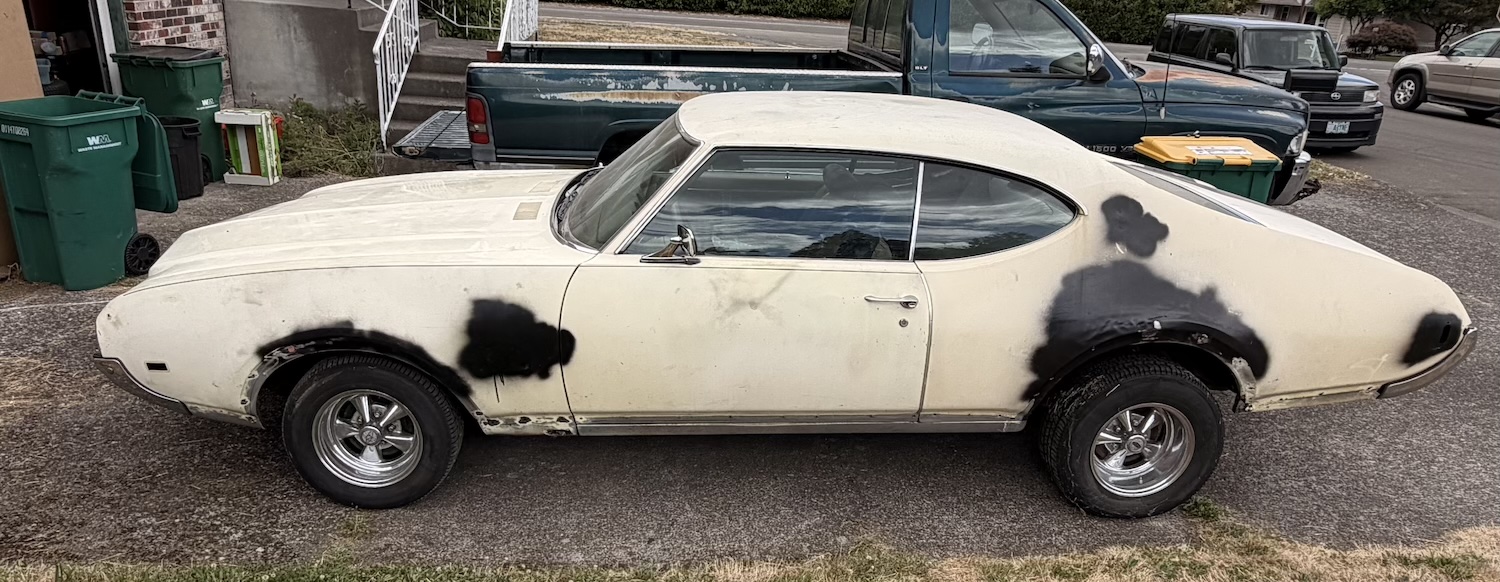
Here’s an example: A friend of mine called me about a 1969 Olds Cutlass that his buddy wanted to sell. It was a decent runner with a rough interior and some missing pieces — the kind of rolling project that could be driven while fixed up. But it had one major issue: At some point, the car’s owner decided to paint a few body panel spots with black spray paint. Trouble is, the car was otherwise finished in its original pale-yellow paint, so this stuff stuck out like a red fender on a blue car. Now, I don’t know what kind of repairs (if any) lived under those black spots, but the mismatched spots were a major limiting factor in terms of the overall feeling of the project. The buyers will think about it this way: If the person working on the car didn’t care about something so blatantly obvious, what about the things we can’t see?
My suggestion to my friend was to take those sections down to bare metal, treat those areas if needed with a rust inhibitor, and then use some buff-colored epoxy primer to seal it up so that those areas blended in better with the original paint. It’s a weekend’s worth of work and a temporary fix, but effort is visible, both good and bad, and curb appeal matters.
For you, this is the time to find the missing pieces of your project that might be stored somewhere nearby, clean everything, organize everything and have it ready to look as good as it can look for visitors. Do the easy cleaning work that will make the car look its best, as well as any easy repair work that will help show that the car belonged to someone who cared about it.
The one caveat to this: If your car is dusty and hasn’t moved in years, the dust can work to your advantage, but we’ll get to that in a bit.
3. PHOTOS
One of the things you’ll need to decide right away is which bucket your car falls into: Running versus Not Running. And by “running” I mean actually drivable. Cars that can be made to run off a gas can, or “ran when parked” in 1997 should be considered non-runners right off the bat, at least for the purposes of our sales strategy. If you’re not willing to drive said car at least a couple of miles, treat it as a non-runner.
This is important, because the photo strategy will depend on it.
Now’s the time to stop thinking of your car as a project and start to think of it as a listing — and the best listings have great photos. Buyers want to see good images, and the idea for you is to be as honest as you can in your photos. Show the current condition, including the bumps and bruises. Car photo basics apply here: Shoot with the light behind you if possible, and make sure the car is in focus and in frame. Get a front, side, and rear shot at least — and include the good details. Not rusty in commonly rusty areas? Include that. Rare options? Include them. Don’t cut off the nose or the tail in the photos. Take your time and think about what you’re doing as you’re doing it.
Now, as for that sales strategy mentioned above…
Running and driving cars should be presented as such, which means photography that illustrates or at least suggests motion and life. Dynamic angles, dynamic lighting and lively backgrounds will help to boost the listing you build for your project car. Runners that are photographed out in the world versus locked in a garage will help to set the proper expectations for a buyer before they even show up to look at your car. They’ll know this is a project that can be used while being worked, and that’s an important distinction for some people.
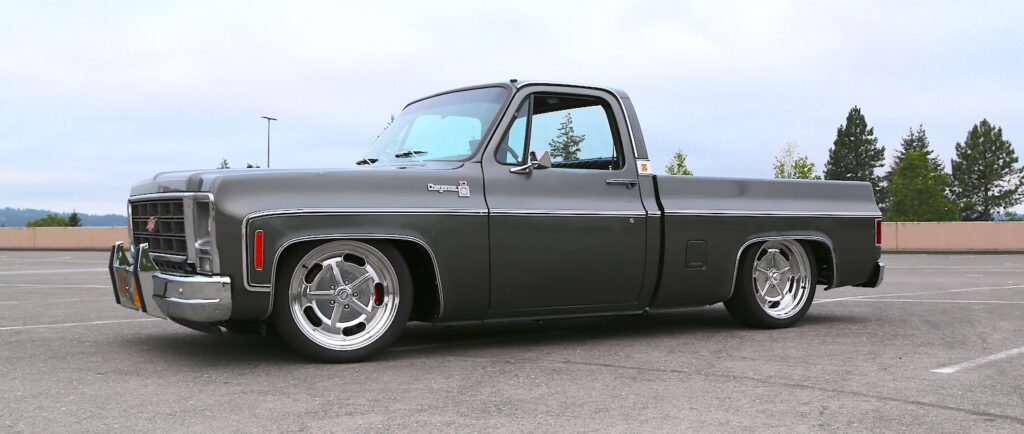
Take some shots on your knee. Take a few up high. Take some with the headlights on. Take some on the side of the road. All of these are active things that suggest a living car.
Non-runners have their own draw, particularly if you can leverage a feeling of found treasure in your photos. Has a car been in the same spot for decades? Great. Photograph it there in that dark garage or barn before you roll it outside. And don’t clean off any dust, either in the garage or outside in the driveway. We may be years past the Barn Find craze of the car collecting world, but everyone is attracted to the idea of lost treasure. Play it up if your car fits the bill. It may be counterintuitive to think of dust as a benefit, but it converts directly into dollar signs for the right cars and the right buyers.
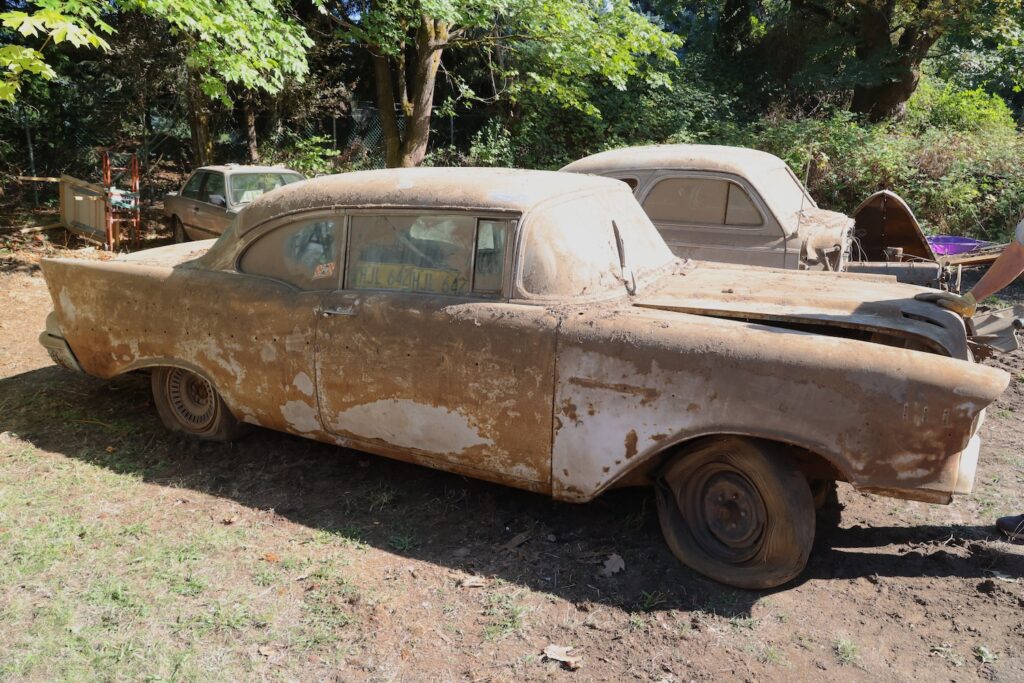
Now, as for the camera, that’s less important these days. You can use whatever camera you have access to, including a cell phone. The key is to be sure you have decent lighting for your pictures, and try to include both overall shots and detail shots. You don’t need 100 shots like you would for a Bring a Trailer listing… but err on the side of more being better, and use as many shots as your listing will allow you to include.
4. LISTING
Where you list your project is just as important as what it is. If we’re talking about something rare, a site such as Bring a Trailer may accept it. If not, Facebook Marketplace is a great place to start. In either case, you’ll be able to get your listing out to a wide audience, which is the whole ballgame. The more people who see your car, the better — your buyer is out there, so get the car in front of them.
BaT takes time and fees, as do many of the online auction sites. Marketplace is free, which is a bonus, and it allows you to post your listing in a number of groups as well. If you have a C10 or F-100 truck, you can get it in front of C10 or F-100 people really easily. Craigslist doesn’t give you that kind of control. Neither does your local paper.
Think of it this way: Who is your intended buyer and where do they spend their time? It’s simple: meet them where they already are.
Whatever you choose as your listing site, it’s important to remain available to answer questions from buyers. BaT is especially important in this regard, as their auctions run for a set amount of time, and being an active participant in the Q&A process is extremely important in keeping buyers confident in their bids. Marketplace is a lot more easygoing, but questions will pop up all the time from potential buyers, and if you wait too long to answer them, they will have moved on to something else and will probably ignore your reply. In short, be available, be prompt and be honest. This isn’t a passive sport.
5. REALITY
If you’re lucky, your asking price was right on the money and you’ll have multiple interested parties chasing you down. Be ready to show off the car and be ready for lowball offers to be tossed your way.
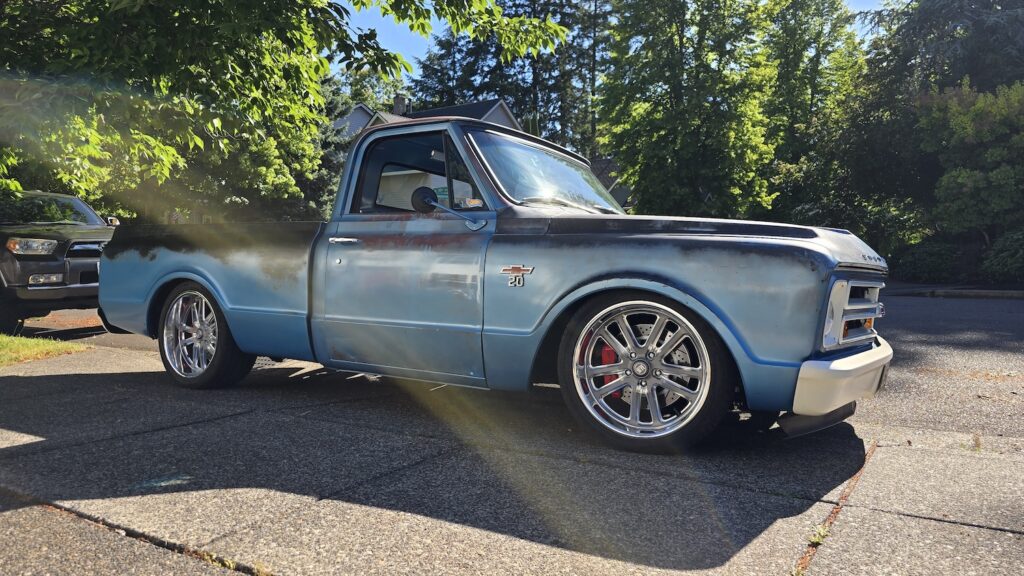
Don’t take it personally if the numbers seem low… projects can be a hard sell and everyone is looking for a deal, especially on project cars that people assume can be easily cleaned up and flipped for a profit. That said, money talks, and at some point, you’ll be given an offer somewhere near your asking price. It’s up to you to decide if it’s worth moving on it.
Factor in how long your car has been listed, how badly you want it gone and how close to your number that offer really is. If it’s the first day of the listing, maybe wait a little while before taking 20% less than the asking price. If it’s a month in, taking that money may be the right move.
There’s nothing wrong with waiting for the right buyer if your circumstances allow it. The most important part here is to be happy with the result, and if you’re not, review your work and don’t be afraid to start over. Think of it this way: selling a project car is a project. Take better photos? Maybe a little added work or cleaning will help? Or maybe your asking price was just too high at the outset? Pull the listing down, wait a week or so, and then start over again with a refined presentation using what you’ve learned.
And when it does sell, good luck on the hunt for your next project car.

Leave a Reply