Dum-Dum With Drums
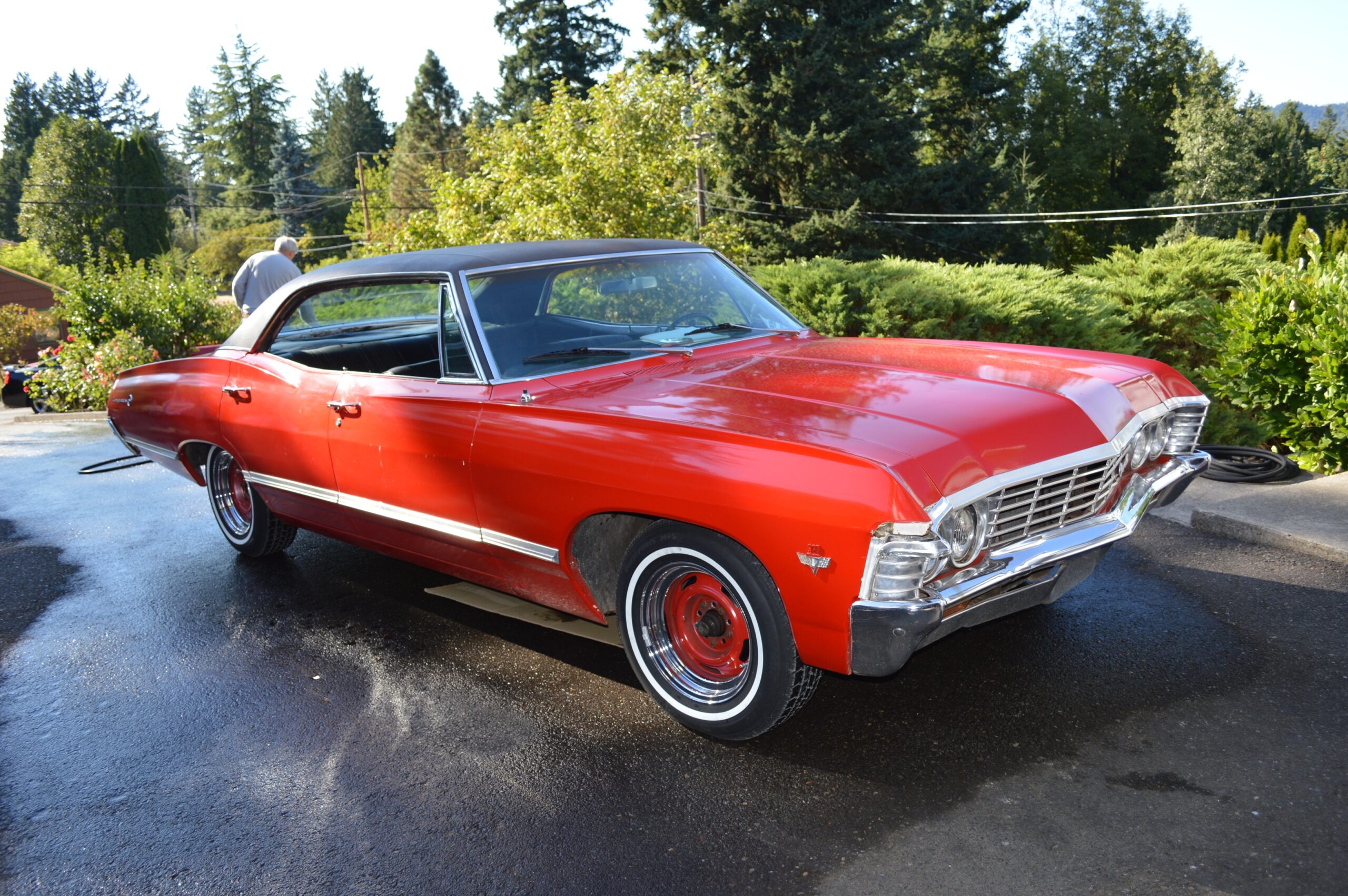
Back in August of 2012, a new-to-me 1967 Chevrolet Impala Sport Sedan arrived in Oregon via flatbed truck. I searched for one in my budget seemingly forever. Eventually, I found just the one in my price range in Huntsville, Alabama, and all told, with sale and shipping, $4,000 got it to my apartment from all the way across the country.
It was a hoot rolling this Impala around my apartment’s neighborhood in Beaverton: the 20-inch wheels with no-sidewall tires were not exactly me, but they held air and were round enough to work for short cruises as I hunted down a set of OEM-style rallies. There were few other problems but nothing an afternoon couldn’t sort out. Even with issues such as intermittent fuel gauge and an unraveling headliner, the car seemed to work okay… at least well enough to convince me I was safe to venture out further.
What fun, I thought, it would be to show it off to my friends at work. At the time, work was at Sports Car Market and American Car Collector magazines on the other side of the Willamette River. It took me a bit to gather the courage to cover some real miles in my new Impala, but early one morning, I fired up ol’ Red and and took to the back roads (up Barnes, over Skyline, down Burnside), descending into NW Portland the slow and steady way.
It was a leisurely, peaceful drive at first… right up until the brakes decided to work too well.
A stoplight near the I-405 interchange turned red quicker than I anticipated. Instead of pushing on through (which would have been a smarter choice), I mashed the pedal as I would have in my disc-brake, daily-driver Jeep. The Impala’s front drums locked up solid and those 20s pawed at the asphalt as if my life depended on it, the car lurched and skidded to a stop directly under the red light. I looked around, expecting judgement from the morning commute, but the after-sunrise road was still empty. Lucky.
I did manage to come to a complete stop at the next red light, but it wasn’t drama-free either. Now the Impala pulled hard to the right, like an Alabama voter just realizing its new surroundings.
It was brakes and left-hand compensation for every stop, then, and I planned out a drum brake adjustment for later.
On the way back home, a small tan or sun-faded brown ‘80s VW darted in front of me. The Impala and I went skidding again. The driver made the next turn, seemingly unaware of the 20-plus feet of red steel that had nearly entered his back seat. I drove on, cursing and white-knuckled on the bench-seat bottom.
The car didn’t get better. Don’t even get me started on my planned road trip to the September 2013 Lambrecht Dealership auction in Pierce, Nebraska, for work. I have a split drum broken in the most peculiar fashion hanging out in my garage as a trophy from that failed exercise. Lesson learned: Change out ALL of your brake hoses, kids.
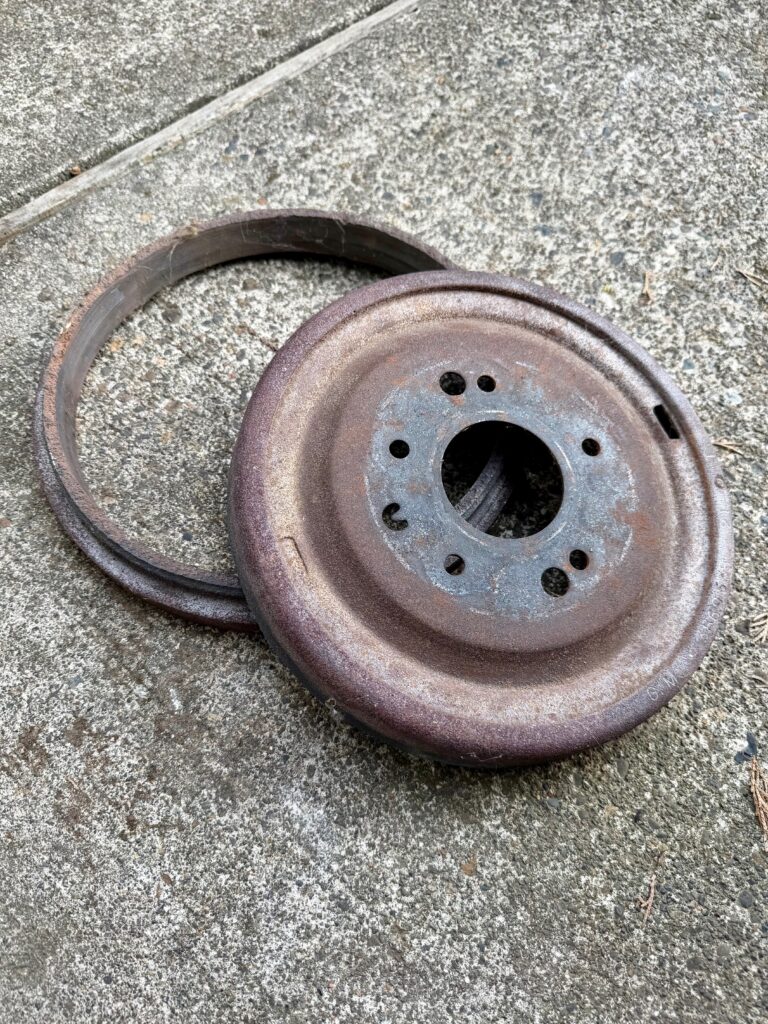
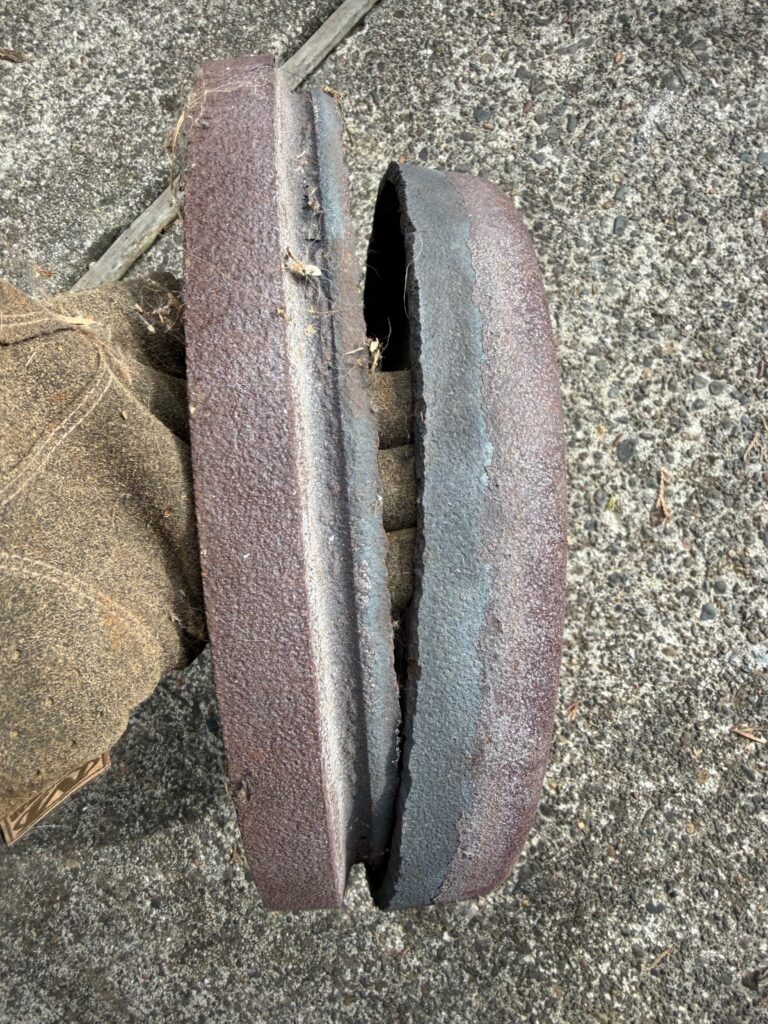
Me, drums and the Impala proved to be a toxic mix.
I knew what I needed, and some parts from as part of a How-To feature in American Car Collector (Issue 41, Sept/Oct 2018).
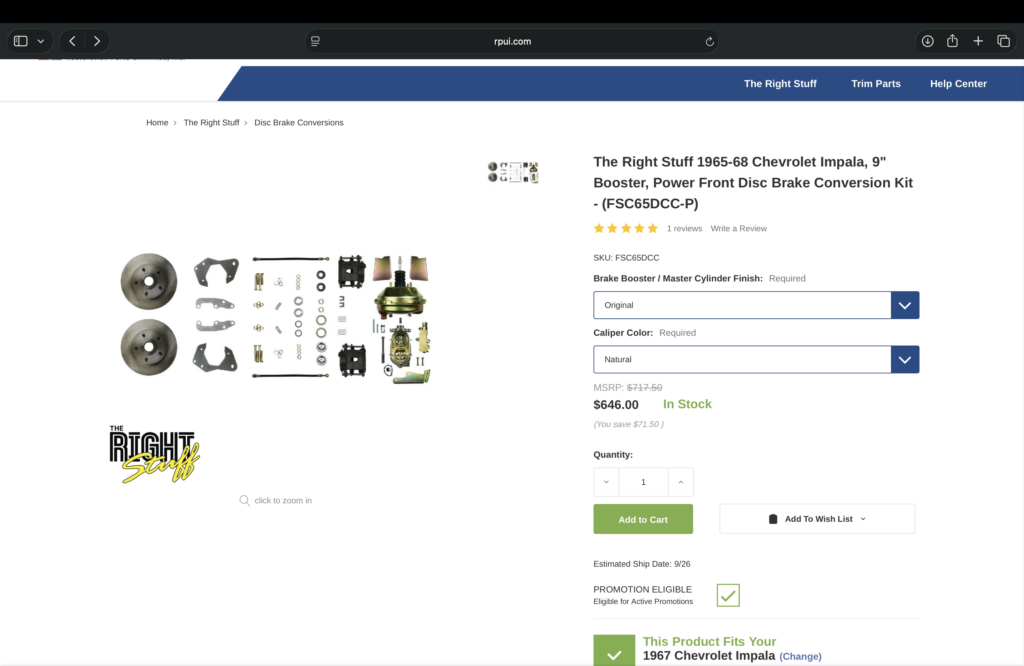
We got the Right Stuff (née Detailing) front disc brake kit (FSC65DCC, listed then at $467.78, MSRP now $717.50) through Summit Racing and Coker rally wheels with their then-new Firestone Wide-Oval Redline bias-ply-look radials.
Jim and I put those brakes on, along with the new set of wheels and tires, and it hasn’t been a worry since.
The Best Upgrade — Disc Brakes
Maybe your old car was a great buy on Marketplace or something you inherited from that fun, crazy aunt or a grizzled paw-paw. After the arrival excitement fades, questions and considerations pop up, especially if you’re new to the old-car game.
There are lots of things to handle: Changing all the fluids if you don’t know they’ve been swapped recently. Tires if they’re old. Paperwork including titling and insurance. Storage. Those are standard issues we all get to handle. After that, it’s time to think about making the car deal with modern traffic.
It’s a whole new world since 1967, 1987 or even 2007. Driverless cars are a real thing — Johnny Cabs and K.I.T.T. aren’t stretches of the imagination anymore.
Acceleration is probably the most fun to think about; depending on your new old car. You’ve already got a head start if we’re talking V8 muscle car or homologation sub-model featuring letters like WRX or Type R. If we’re talking about a 1977 Honda Civic CVCC or 1991 Ford F-250 IDI Diesel, I bet it’s the first thought.
Going forward is the fun part. Making your old car stop is way more important.
The first and best upgrade for an old car is a brake upgrade — preferably converting to a dual-circuit, power-assisted disc setup.
Discs are superior to drums in nearly every way. It may be true that drums are more resistant to corrosion and the impacts of dirt, but, in any truly demanding condition, discs are the preferable setup.
Source? Every current, major racing team, everywhere in the world.
There are so many vendors and variants out there that you probably can find something that will fit behind factory-sized wheels. Well, at least 15-inch ones. You won’t have to switch out to the oversized rims that populate today’s aftermarket scene.
If you can’t stop very well, you can’t very well proceed.
But Mine Already Has It…
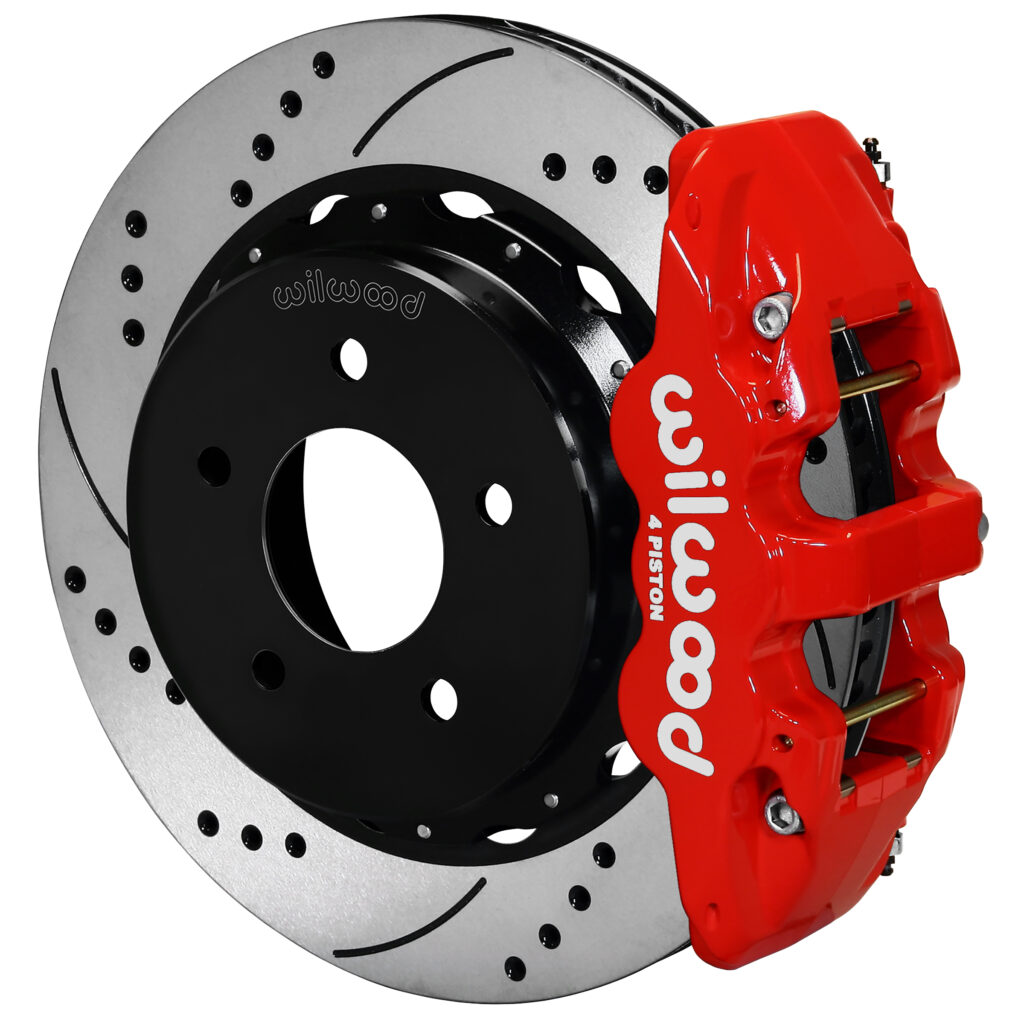
An obvious qualifier here is that the old car in question does not already have front disc brakes. Most classic Japanese cars came from the factory that way, thanks to their time of manufacture and contemporary vehicle-safety laws. Converting the rear drums to discs can be that application of this thought process to those cars. I’m looking at you, OBS owners. Consider upgrading the discs themselves. There are levels to that game from solid to ventilated to cross-drilled to slotted to two-piece to a combination of any or all of them. And then there are all the potential different material options!
If the vehicle already has the better brake setup, or as optimal as the budget allows, consider better boosting. One hill I’ll die on: Hydroboost is a superior power boost to vacuum-assisted systems. If you can utilize that and want to sort the conversion, I’d highly encourage it.
Chevrolet full-size trucks 1999–2007 and Astro vans 1996–2005 (and the same-years GMC Safaris) came from the factory with it, so there should be a few pieces left in the remaining junkyards or reman units on Rockauto. There are also, of course, specific aftermarket solutions for many popular models if you don’t want to use parts from the General. The Right Stuff’s hydraulic kit for my application is available here. It’s complete but a good bit more expensive than Pick-n-Pull.
Easy to Find
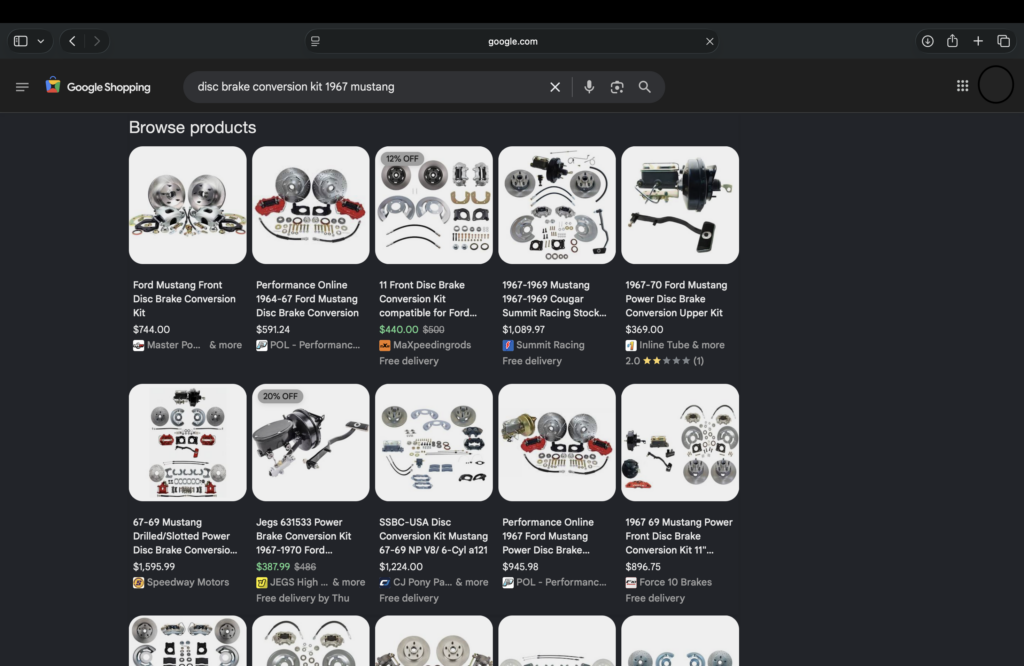
You can find a disc-brake conversion kit for just about any make or model. Kits range from plainly generic to incredibly specific from vendors like Summit Racing, JEGS or Speedway Motors. There are also model-specific distributors like Wild Horses for Broncos or Yota Masters for Toyota trucks. Reminder: Always mind what you’re getting off of eBay or Amazon, if you go that route. There are plenty of counterfeit/knockoff parts that will eventually cost you a lot more than they save you on that initial purchase price.
How long the swapping takes depends on how well you, your garage/shop or a buddy’s place is equipped — plus the competence and experience of those wielding the wrenches. My experience says conversions can take from half a day to a full weekend’s project depending on the above and overall scope of work.
Lord help you if Murphy’s Law decides to get involved. Jesus clips will jump from your pliers. Shipping companies will put your box in the lost section of the warehouse for a couple weeks longer than planned. That’s just all part and parcel with working on old cars.
Brake It ‘Til You Make It
At the end of the day, I’m not trying to claim that this is the best upgrade to improve resale value or top-end speed, at least not directly. This is about a safety and performance upgrade that helps ensure you’re able to use and sell the car. Whatever you can do to help avoid unintended intersection crossing is a worthwhile endeavor.
I’d still argue that brake upgrades will make it a lot more tolerable in real traffic, not just the occasional weekend bumble around town and down to the ice-cream shop.
If you don’t have much experience already driving on manual drum brakes — generations have exclusively grown up with ABS now (the horror!) — you could end up in a similar, if not worse, skidding situation. So fix it now before you’re in the middle of an intersection or the back seat of a Rabbit.


Leave a Reply